The Night Nothing Happened
Nothing exploded.
There was no coup in Moscow, no storming of ministries, no final speech announcing defeat. No crowds tearing down statues, no tanks rolling through Red Square. No cinematic ending to announce the close of an era.
History did not arrive as drama.
It arrived as procedure.
History did not arrive as drama.
It arrived as procedure.
On Christmas Eve 1991, while households across Europe and North America prepared for ritual comfort and television schedules softened into familiarity, the Soviet Union ceased to exist as a geopolitical entity. Not symbolically. Functionally.
There was no moment that felt like an ending. No rupture that demanded attention. No sound loud enough to force recognition.
That absence is not incidental.
It is the event.
The Flag That Ended a World
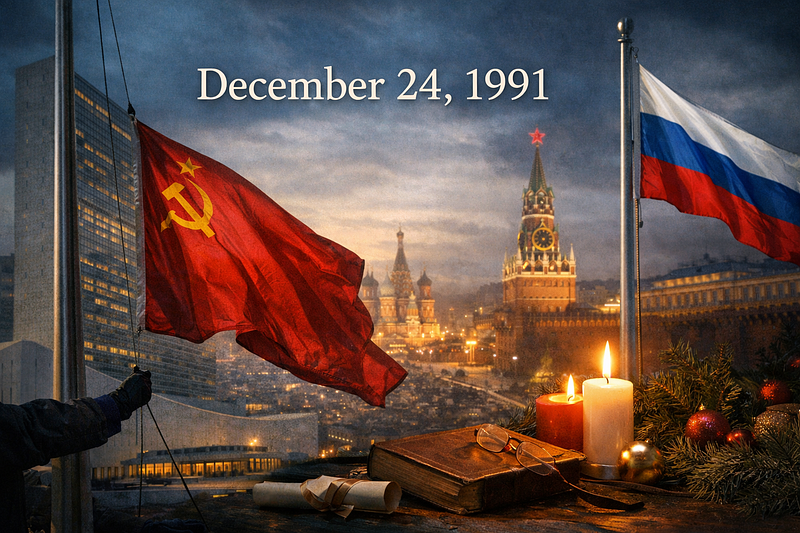
On 24 December 1991, at United Nations headquarters in New York, the red flag of the Soviet Union was lowered.
There was no debate broadcast to the world. No confrontation replayed in retrospectives. The act was procedural, almost clerical.
In its place rose the flag of the Russian Federation.
With that single administrative transition, the USSR lost its seat, its veto, and its legal standing in the international order. Recognition followed automatically. No treaty was signed. No war concluded it.
This was not collapse.
It was succession.
The following day, 25 December, Mikhail Gorbachev addressed the nation and resigned. On 26 December, the Soviet parliament formally dissolved the Union.
But by then, the decisive shift had already occurred.
The ending came before the explanation.
Why Christmas Eve Matters
Christmas Eve is not neutral time.
It is a structural lull. Attention recedes. Institutions slow. Public consciousness turns inward. Decisions made during this interval register as technical rather than historic.
This is not cultural coincidence.
It is temporal leverage.
Power rarely acts where resistance is loudest. It acts where perception is weakest.
Power rarely acts where resistance is loudest.
It acts where perception is weakest.
Christmas Eve creates distance between awareness and consequence. What happens there does not immediately feel irreversible. By the time recognition arrives, the act has already settled into fact.
This is how irreversible change is made without confrontation.
Collapse Is Loud. This Was Not.
Empires that collapse leave debris.
They leave shortages, mutinies, uncontrolled violence, visible fragmentation. They force reaction. They announce their demise in ways no one can ignore.
The Soviet Union in late 1991 did none of this.
The military remained intact.
The nuclear arsenal remained secured.
The intelligence services remained operational.
Elite networks remained continuous.
What dissolved was the form, not the capacity.
This was not collapse.
It was redistribution.
This was not absence.
It was reassignment.
The Architecture That Did Not Fall
To understand what truly happened, one must separate state symbolism from institutional continuity.
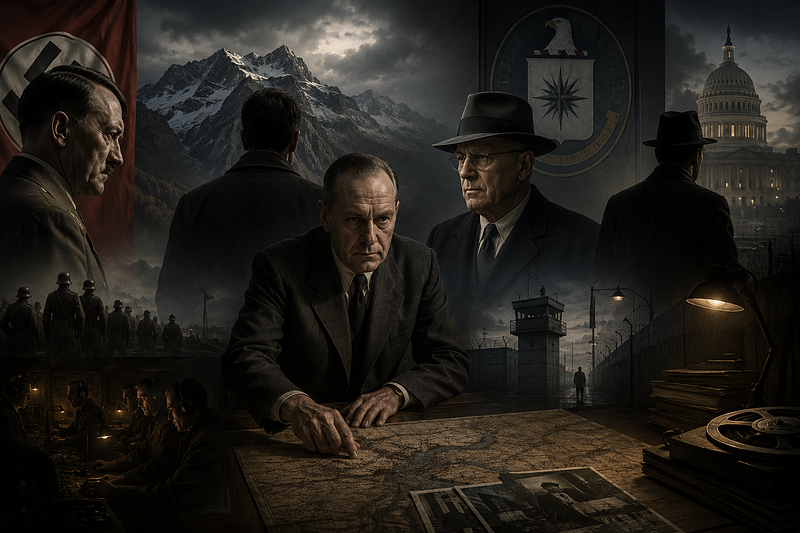
The Soviet state was a political shell layered over deeper structures: military command, intelligence apparatus, industrial capacity, educational pipelines, scientific networks, and elite reproduction mechanisms.
Those structures did not disappear in December 1991.
Personnel remained. Files remained. Command chains remained. Training doctrines remained. Strategic culture remained.
A collapse destroys infrastructure.
A transformation reallocates it.
What happened in 1991 was unmistakably the latter.
Negotiated Exhaustion
The end of the Soviet Union was not imposed by force.
It emerged from negotiated exhaustion. Years of economic stagnation, arms competition, and political rigidity produced a consensus among elites that the existing form was no longer viable.
But non-viability does not imply surrender.
It implies redesign.
The objective was not ideological defeat, but survival under altered conditions. Continuity through mutation.
This logic shaped the manner of dissolution.
Silence as Political Technology
No one stormed the Kremlin to end the Soviet Union.
The dissolution unfolded through closed meetings, signed documents, and procedural adjustments. The population was not consulted. The moment was not dramatized.
Silence performed the work that force did not.
Silence is not absence.
It is method.
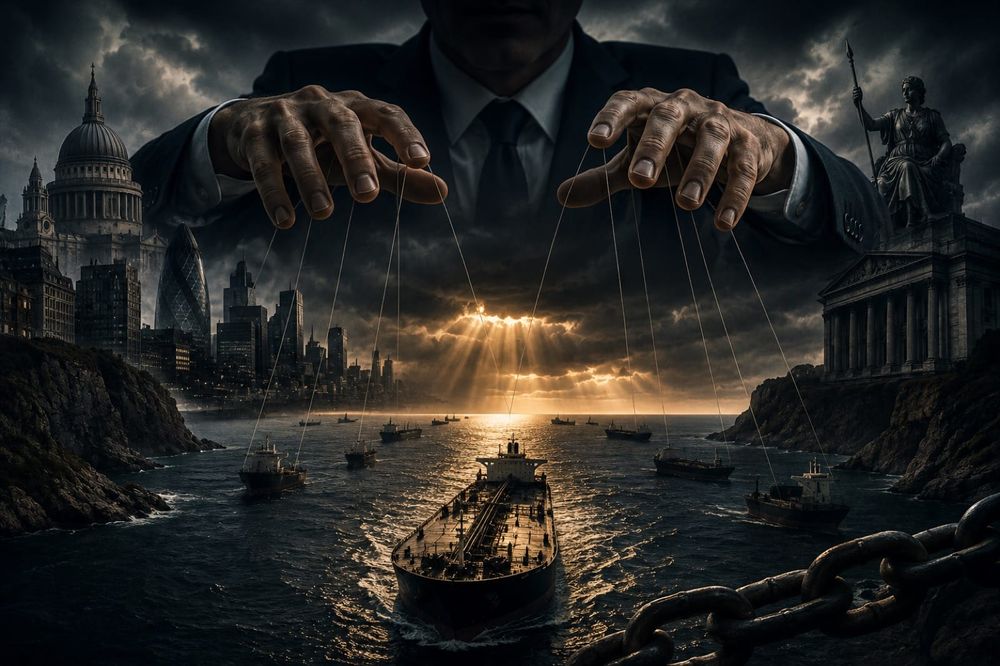
When nothing dramatic occurs, responsibility disperses. No single actor appears decisive. History seems to move on its own.
But systems do not dismantle themselves.
The Western Misreading
The dominant Western interpretation was immediate and reassuring.
Communism failed.
The Soviet Union collapsed.
History had chosen its winner.
That framing mattered more than precision.
Because collapse implies defeat. And defeat justifies instruction.
Shock therapy could be framed as assistance.
Privatization as modernization.
Expansion as stabilization.
If the USSR had transformed rather than failed, that moral clarity would fracture.
Moral clarity was required.
Accuracy was optional.
The Myth of Benevolent Transition
The 1990s were presented as a period of guidance and integration.
Markets would heal. Democracy would emerge. Institutions would converge.
In practice, what occurred was one of the largest transfers of public wealth into private hands in modern history. Industrial assets were dismantled. Social safety nets collapsed. Life expectancy dropped sharply.
This was not accidental fallout.
It was the consequence of a narrative that framed Russia as a defeated system rather than a transformed power negotiating survival.
Strategic Memory
States do not forget existential pressure.
Vulnerability embeds itself in institutional memory, military doctrine, and strategic culture. It survives leadership changes and ideological shifts.
The 1990s were not erased from Russian state consciousness.
They were archived.
And archives govern future behavior.
The Illusion of Finality
From this quiet night emerged one of the most powerful myths of the post–Cold War era: the belief that history had reached resolution.
Temporary measures hardened into permanent architecture. Emergency economics became doctrine. Strategic assumptions crystallized into policy.
The assumption was simple: Russia was finished.
That assumption would govern decades of miscalculation.
NATO and Continuity
NATO expansion was justified as precaution.
But precaution against what, exactly, if the adversary had ceased to exist?
The logic only holds if collapse is assumed. If continuity is acknowledged, expansion takes on a different meaning.
It becomes encirclement perceived through remembered vulnerability.
This perception gap did not emerge from paranoia.
It emerged from divergent readings of 1991.
Power Withdraws
Power did not vanish in 1991.
It withdrew from visibility.
The Soviet state dissolved, but institutional memory did not. Strategic culture did not. Command logic did not.
What followed was not emptiness, but disorientation.
Out of that disorientation came re-consolidation.
States that survive existential pressure do not forget it.
They internalize it.
Why This Night Still Structures the Present
The conflicts of today do not begin where headlines place them.
They begin where misinterpretations harden into doctrine.
Sanctions treated as identity rather than instrument. Expansion without terminal design. Dialogue framed as concession rather than necessity.
These were not accidents.
They were built on the belief that 1991 was an ending.
It was a pause mistaken for disappearance.
Closing Reflection
History prefers noise.
Noise assigns responsibility and makes endings feel earned.
What happened on Christmas Eve 1991 offered neither. No rupture to witness, no spectacle to absorb, no closure to process. Only a procedural shift that restructured the world while demanding nothing from those observing it.
That is why it was misunderstood.
The world learned to describe that night as an ending because endings are easier to live with than continuities. They allow relief. They permit forgetting. They suggest danger has passed.
Power does not require that comfort.
It does not need recognition to persist. It does not depend on narrative closure. It operates across spans that outlast attention.
The Soviet Union did not leave ruins behind.
It left assumptions.
Nothing about that night felt unfinished.
Which is precisely why it was.